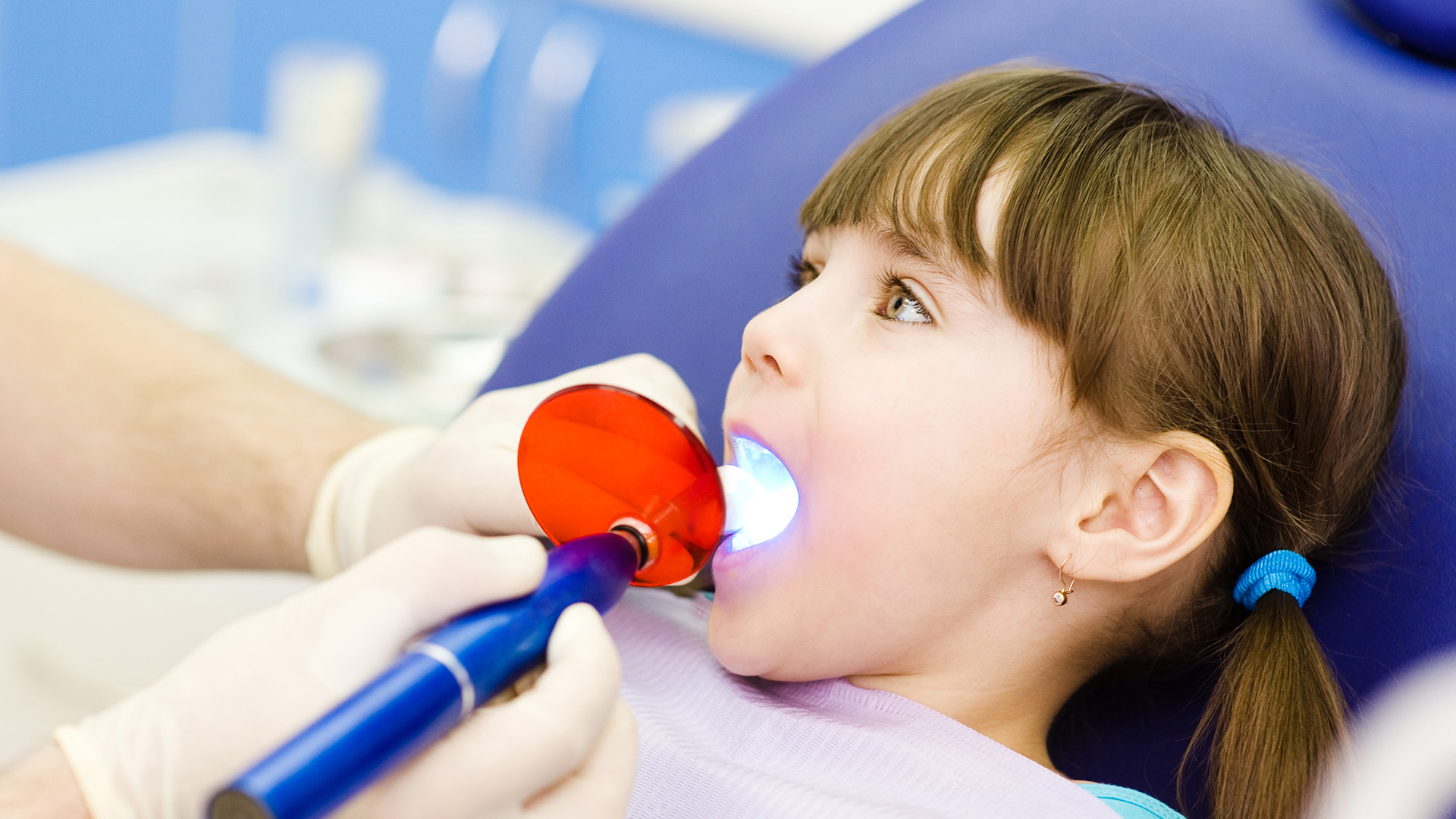
After a dental filling, a few simple food and care choices can protect your child’s restoration and keep them comfortable. This guide covers when to start eating, the best foods to offer, what to avoid, and how to monitor recovery, plus when to call our office if something seems off. Parents often ask what their child can eat after a dental filling, and this overview explains how to choose safe textures and temperatures to make the first day easier.
Understanding Immediate Aftercare
Local anesthetic usually keeps the mouth numb for two to four hours. While numb, your child is more likely to accidentally bite their lips, cheeks, or tongue, so it’s best to avoid chewing until the feeling returns. Offer sips of cool water and remind them to keep fingers, toys, and straws out of their mouth during this period.
Mild tenderness, pressure when biting, or brief sensitivity to temperature are common as the numbness wears off. If a temporary material was placed or the filling is near the gumline, the area may feel unusual for a short time. Most children feel much better by the next day.
When to resume normal textures depends on the filling type and your child’s comfort level. Tooth-colored (composite) fillings harden right away under a curing light, but soft foods are still recommended until numbness and initial sensitivity ease. Silver (amalgam) fillings continue to set for several hours, so stick with soft foods for the rest of the day and return to regular textures the following day unless your dentist advises otherwise. If you are wondering what can my child eat after a dental filling during this period, err on the side of soft, cool, and easy-to-chew choices.
Best Foods to Eat After a Dental Filling
Focus on gentle textures for the first 24 hours that are easy to chew and won’t stress the tooth. Aim for lukewarm or cool (not icy) temperatures while sensitivity settles. If you’re deciding what to eat after a filling for a child, start with options that require minimal chewing and can be placed on the opposite side.
- Soft dairy: yogurt, cottage cheese, milk, Greek yogurt
- Comfort staples: applesauce, mashed potatoes, oatmeal, well-cooked pasta, macaroni and cheese with extra sauce
- Protein options: scrambled eggs, tofu, flaky baked fish, shredded or ground turkey or chicken
- Fruits and vegetables: ripe bananas, peeled ripe peaches or pears, seedless melon, very tender cooked vegetables
- Smoothies and bowls: spoonable smoothies or smoothie bowls topped with soft fruit (avoid straws)
Try simple meal ideas like a soft rice bowl with shredded chicken and well-cooked vegetables, mashed potatoes with scrambled eggs, or pasta tossed with a creamy sauce and finely chopped, tender veggies.
For balanced nutrition, include protein to support healing and energy, calcium for tooth and bone strength, and vitamin C from soft fruits to support tissue health. Prepare foods to be as gentle as possible: cook vegetables until fork-tender, shred or finely chop meats, cut foods into small pieces, and serve warm, not hot.
Adjust textures based on age and comfort. For younger children, choose purées, mashed foods, and tiny, soft pieces that are easy to gum. For school-age children, offer fork-tender items in small bites and have them chew on the opposite side at first. Teens can advance to a wider range of soft foods sooner but should still avoid sticky and hard items for the day. Encourage slow chewing and stopping if anything feels sharp or uncomfortable.
Remember that plain yogurt, applesauce, and scrambled eggs are simple, well-tolerated starters. As comfort improves, expand to well-cooked pasta, soft rice bowls, and tender vegetables.
Foods and Habits to Avoid
Right after a filling, avoid foods that are hard, crunchy, sticky, or chewy. These textures can pull on or stress a new restoration and increase the risk of discomfort or damage, especially if your child is still a little numb. When choosing what to eat after a filling, skipping these items helps protect the tooth and reduce sensitivity.
- Hard or crunchy: nuts, popcorn, hard candy, ice, crusty bread, thick or chewy pizza crusts
- Sticky or chewy: caramel, taffy, gummy sweets, chewy granola bars, jerky
- Very hot or icy items: steaming soups, hot chocolate, or ice-cold drinks and ice cream during early sensitivity
Encourage your child to avoid habits that put pressure on the treated tooth for the first day, including chewing on the treated side, using straws (suction can irritate tender tissues), biting nails, chewing on pencils, or crunching ice. If your child tends to clench or grind, remind them to relax their jaw; if a mouthguard has been recommended, use it as directed.
Sample Timeline: First 24 Hours
| Timeframe | Eating Guidance | Care Tips |
| While numb (2–4 hours) | Skip chewing; offer cool water, applesauce, yogurt | No straws; keep fingers and toys out of mouth |
| After numbness fades | Soft foods on the opposite side; lukewarm temperature | Chew slowly; stop if discomfort increases |
| Remainder of day | Continue soft foods; avoid sticky, hard, and very hot or icy items | Brush gently; floss carefully without snapping |
| Next day | Gradually return to regular textures if comfortable | Contact us if bite feels high or pain worsens |
Monitoring Recovery and When to Contact Us
Typical recovery includes mild soreness that improves within a day or two, slight sensitivity to hot or cold, and brief tenderness when chewing. Your child should feel steadily better with each meal. Keep the area clean by brushing gently around the filling and flossing carefully, slide floss out rather than snapping it up.
You may offer children’s acetaminophen or ibuprofen as directed by your pediatrician or the product label, unless told otherwise. Encourage small, soft meals on the opposite side at first, switching back as comfort returns. Plenty of water helps rinse food particles and soothes tissues. If your child was given specific post-visit instructions, follow those first.
Contact our office if you notice any of the following:
- Pain that does not improve after the first day or becomes severe
- Numbness that lasts beyond eight hours
- Sensitivity that worsens after two to three days
- A bite that feels high or uneven (the tooth hits first when closing)
- Swelling, fever, or signs of an allergic reaction
We’re here to help adjust the bite, assess sensitivity, and make sure your child’s smile feels comfortable as they get back to their normal routine. If questions come up about what to eat after a filling or what can my child eat after a dental filling later in the week, reach out for personalized guidance.