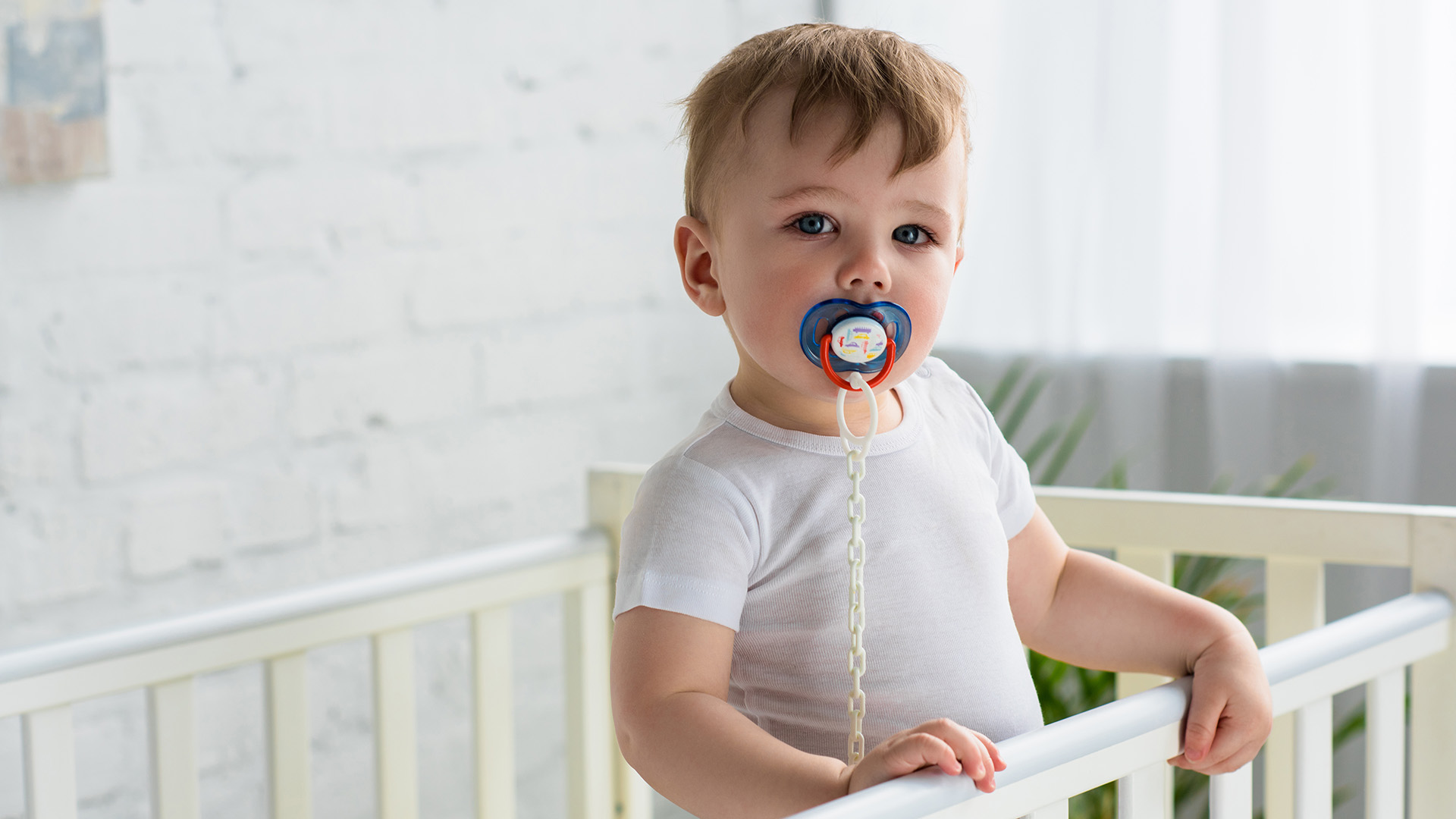
Pacifiers can be a helpful soothing tool for infants, but many parents worry about their impact on growing teeth. The short answer: pacifiers are not inherently bad for tooth development when used appropriately and for a limited time. Prolonged or improper use, however, can increase the risk of bite problems, misalignment, and changes in oral structures. This guide explains how pacifiers interact with dental development, what research shows, and how to use them in ways that protect your child’s oral health. For parents wondering, are pacifiers bad for tooth development, the answer depends on timing, frequency, and technique.
Understanding Pacifiers and Their Use
Pacifiers are nipple-shaped devices that satisfy an infant’s natural sucking reflex. They can help with soothing, self-regulation, and reducing crying during sleep or transitions. Used within recommended guidelines, a well-chosen pacifier can be a practical tool for both babies and caregivers.
Common types include standard symmetrical designs, orthodontic pacifiers with flattened or angled nipples to support more natural tongue and jaw positioning, and one-piece silicone pacifiers that reduce choking risk and are easier to clean. Many models have ventilation holes in the shield to improve airflow and minimize skin irritation around the mouth.
Parents often use pacifiers to help during naps and bedtime, long car rides, and stressful transitions. Some pediatric guidance indicates pacifier use during sleep in the first year may help reduce the risk of sudden infant death syndrome (SIDS), which is one reason they are frequently introduced early.
How Pacifiers Affect Dental Development
Early dental development involves the eruption of primary teeth, growth of the jaws, and establishment of bite relationships. The way the tongue, lips, and cheeks function during sucking and swallowing influences how teeth and jaws form. Age-appropriate pacifier use typically has little impact, but frequent or prolonged sucking can place pressure on the teeth and palate.
Pacifier use can contribute to:
- Open bite, where the front teeth do not meet
- Posterior crossbite, where upper teeth fit inside lower teeth
- Increased overjet, where upper front teeth protrude
These changes are more likely when pacifiers are used for many hours per day or beyond the toddler years. Orthodontic-style nipples may reduce some forces compared to bulb-shaped designs, but they do not eliminate risk if use continues too long.
Research shows limited pacifier use during infancy is unlikely to cause lasting problems, and mild bite changes often resolve after the habit stops. However, studies consistently link prolonged use, especially past ages 2 to 3, with higher rates of malocclusion (misaligned bite). The good news: stopping early typically allows the mouth to recover naturally, and routine dental visits can catch any emerging issues. For families concerned about whether pacifiers are bad for tooth development, evidence supports mindful, time-limited use.
Duration of Pacifier Use: Finding the Balance
Experts generally encourage pacifier use during the first year for soothing and sleep, then a gradual reduction in the second year. Many pediatric dentists recommend full weaning by age 2, ideally by around 18 months, to lower the risk of bite changes. Extending use past age 3 significantly increases the likelihood of dental effects.
Signs it may be time to wean include heavy reliance on the pacifier outside of sleep, difficulty calming without it, or early signs of bite changes such as front teeth not touching, spacing, or noticeable protrusion. If your child uses a pacifier most of the day, start by restricting it to naps and bedtime, then phase it out.
Prolonged use can be associated with open bite, changes in palate shape, speech articulation challenges, and a higher risk of ear infections. The longer the habit persists, the greater the chance that orthodontic treatment may be needed later. A thoughtful tapering plan, paired with positive reinforcement, helps make weaning smoother and supports healthy development. Keeping duration in check is central to answering the question, are pacifiers bad for tooth development, in a way that protects your child’s smile.
Pacifiers vs. Other Oral Habits: A Comparative Look
Thumb sucking and pacifier use are both common self-soothing habits that can exert similar forces on developing teeth and jaws. Both may lead to bite changes if they continue beyond early childhood. The main differences involve how manageable the habit is and how easily it can be discontinued.
Pacifiers offer advantages over thumb sucking:
- Parents can control access and limit use
- Designs can be more orthodontic-friendly
- Gradual weaning is often more straightforward
Thumb sucking can be harder to stop because the thumb is always available. On the other hand, pacifiers require regular cleaning and can pose hygiene concerns if not cared for properly, while thumbs do not introduce external hardware.
In infancy, a clean, well-designed pacifier used sparingly may be preferable to a thumb habit that is difficult to break later. If a child already thumbsucks, strategies such as reducing frequency, reward systems, and gentle reminders can help. Ultimately, the best choice is the habit that can be discontinued earlier, ideally by age 2, to minimize dental impact. This perspective helps address the concern about if pacifiers are bad for tooth development, by comparing habits and focusing on what can be stopped sooner.
Tips for Responsible Pacifier Use
Smart hygiene and selection reduce risks and improve safety. Clean pacifiers regularly with warm, soapy water and let them air-dry. Sterilize new pacifiers before first use and after illness. Replace pacifiers at the first sign of wear, tears, or shape changes. Avoid attaching with long cords or necklaces, and never dip in sugary substances, which dramatically increase the risk of tooth decay.
When choosing a pacifier:
- Consider orthodontic designs with a flattened or angled nipple to encourage proper tongue positioning
- Opt for one-piece silicone construction for safety and ease of cleaning
- Choose age-appropriate sizing and shields with ventilation holes
- Ensure the shield is wide enough to prevent entry into the mouth and check for compliance with safety standards
Use pacifiers selectively, primarily for naps and bedtime, and avoid making them the first response to every fuss. Encourage other soothing methods, such as rocking, singing, and offering a lovey or blanket. Establish clear boundaries by keeping pacifiers out of sight during playtime and limiting total daily use. As your child grows, set a weaning timeline, celebrate small milestones, and offer replacement comforts to ease the transition. Following these practices helps counter the worry if pacifiers are bad for tooth development by prioritizing safe, limited use.
When to Consult a Pediatric Dentist
Schedule a dental visit by your child’s first birthday or within six months of the first tooth eruption. A pediatric dentist can monitor tooth and jaw development and offer guidance tailored to your child’s needs. Early visits help identify emerging bite changes and provide timely strategies before habits become entrenched.
Consider a consultation if you notice:
- Front teeth that don’t meet or upper teeth that protrude noticeably
- Gaps, crossbite, or changes in the bite
- Mouth breathing or speech articulation concerns
- Persistent reliance on the pacifier beyond age 2
- Red or irritated skin around the mouth, oral thrush, or recurrent ear infections
During the appointment, ask about the best timeline for weaning, whether an orthodontic pacifier might be beneficial, and specific exercises or tactics to support healthy oral function. If bite changes are present, your dentist may recommend habit interventions, a referral to an orthodontist, or simple behavior-based plans to help your child stop the habit and promote normal development. These discussions can clarify the common question, are pacifiers bad for tooth development, by applying guidance to your child’s unique situation.
Key Takeaways
| Topic | What to Know |
| Are pacifiers bad for teeth? | Not inherently, when used appropriately and for a limited time. Prolonged use can lead to bite changes. |
| Risk factors | Using past age 2 to 3, many hours per day, and improper designs or hygiene. |
| Preferred designs | Orthodontic nipples, one-piece silicone, age-appropriate sizing, ventilation holes, and a wide shield. |
| Weaning timeline | Start reducing in the second year; aim to stop by age 18 to 24 months. |
| When to seek help | Early bite changes, speech concerns, persistent use beyond age 2, or recurrent oral/ear issues. |
With mindful use, good hygiene, and a timely plan to wean, most children can benefit from pacifier soothing without long-term effects on tooth development. Regular dental check-ups provide reassurance and early intervention if needed. For parents asking if pacifiers are bad for tooth development, the consensus is that time-limited, selective use paired with early weaning is a safe approach.