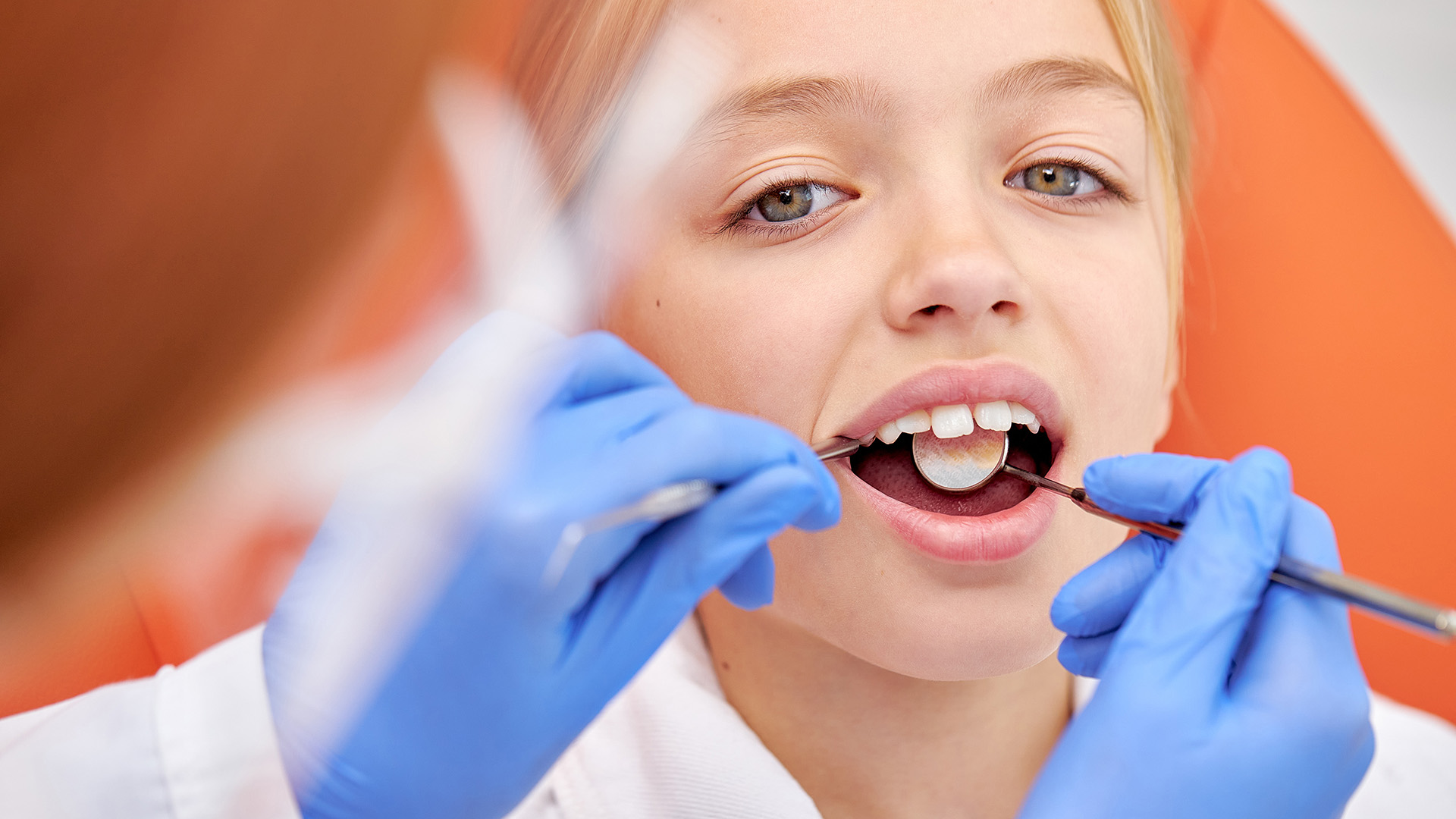
Dental sealants offer a simple, highly effective way to prevent cavities in children’s molars, where deep grooves make brushing difficult. Dental sealants for kids are a cornerstone of preventive care, helping reduce decay during the years when new molars and premolars are most vulnerable. Below, learn what sealants are, why they matter, when to get them, and what to expect during the application process.
What Are Dental Sealants?
Dental sealants are thin, tooth-colored resin coatings applied to the chewing surfaces of molars and premolars. These protective layers seal the natural pits and fissures where food and bacteria tend to collect. Once cured, they form a smooth barrier that helps prevent decay and makes these areas easier to clean.
The application is quick and painless. The dentist cleans the tooth, applies a gentle etching gel to improve bonding, rinses and dries the surface, then brushes the liquid sealant into the grooves. A special curing light hardens the sealant in seconds, and your child can return to normal activities right away.
Sealants are preventive, designed to stop cavities before they start. This distinguishes them from fillings, which repair damage after decay has occurred. While fluoride strengthens enamel across the entire tooth, sealants focus on the deep chewing surfaces where most childhood cavities begin. Dental sealants for kids are especially effective on newly erupted permanent molars, which have deeper grooves and can be harder for children to clean thoroughly.
Benefits of Dental Sealants for Children
Dental sealants for kids provide targeted protection against cavities by shielding vulnerable molar surfaces from plaque and acids. Research shows they can significantly reduce decay for years after application, especially in kids with deep grooves or difficulty reaching back teeth when brushing.
- Cavity prevention: Creates a physical barrier against bacteria and food particles in hard-to-clean areas.
- Cost savings: Helps avoid fillings, crowns, or more complex treatments later, preserving natural tooth structure.
- Easier brushing: Smooth chewing surfaces are more manageable for kids to clean effectively.
- Long-term oral health: Supports a preventive routine alongside fluoride toothpaste, flossing, a balanced diet, and professional cleanings.
When Should Children Get Dental Sealants?
Most children benefit from sealants soon after their permanent molars erupt. First molars typically come in around ages 6–7, and second molars around ages 11–13. Applying sealants during these stages protects the teeth when they are most prone to cavities. Dental sealants for kids placed at these times help safeguard the chewing surfaces right as new molars and premolars emerge.
Factors that may increase the need for sealants include:
- Deep pits and fissures on molars
- A history of cavities or early enamel defects
- Limited fluoride exposure
- Frequent snacking on sugary or starchy foods
- Challenges with brushing and flossing due to age or coordination
- Orthodontic appliances that make back teeth harder to clean
Routine dental checkups are essential. Your child’s dentist will monitor tooth eruption, assess the shape of the molars, and recommend sealants at the right time. They also evaluate existing sealants at each visit and repair or reapply them if needed to maintain effectiveness.
The Sealant Application Process
The procedure is straightforward and comfortable. For each tooth, the dentist:
- Cleans the tooth thoroughly
- Applies a gentle etching gel to prepare the surface
- Rinses and dries the tooth
- Brushes liquid sealant into the grooves
- Uses a curing light to harden the sealant in seconds
The process for a few teeth typically takes 10–20 minutes and involves no needles, drilling, or anesthesia. Most children find it easy to tolerate. They may notice the taste of materials or the sensation of the light, but the procedure is painless.
After the appointment, kids can eat and drink normally. It’s wise to avoid very sticky foods on the treated teeth for the rest of the day. Ongoing care includes twice-daily brushing with fluoride toothpaste, daily flossing, and regular dental checkups. Sealants often last several years, and dentists can repair or reapply them if they wear down. If your child begins orthodontic treatment, the dental team will reassess sealants to maintain protection during braces or aligners.
Sealants vs. Other Preventive Care
| Preventive Option | How It Works | Best For |
| Dental Sealants | Coat and seal chewing surfaces to block plaque in pits and fissures | Molars and premolars with deep grooves |
| Fluoride Treatments | Strengthen enamel to resist acid attacks across the whole tooth | Overall cavity prevention for all teeth |
| Professional Cleanings | Remove plaque and tartar; monitor oral health | Routine maintenance every 6 months |
Sealants work best as part of a comprehensive preventive plan. When combined with fluoride, cleanings, and good daily habits, they offer strong protection during the cavity-prone years. Dental sealants for kids complement these measures by specifically protecting the chewing surfaces most likely to develop decay.
Frequently Asked Questions
- Are sealants safe? Yes. Sealants are widely used and considered safe for children.
- Do they last? Sealants can last several years; dentists check them at regular visits and reapply if needed.
- Will my child feel discomfort? No. The process is painless and does not require numbing.
- Do sealants replace brushing? No. Sealants are an added layer of protection and should be paired with daily brushing and flossing.
- Are dental sealants for kids covered by insurance? Many plans provide coverage for preventive sealants on permanent molars; confirm details with your provider.
- Can baby teeth receive sealants? In certain cases, sealants may be recommended for primary molars with deep grooves or elevated cavity risk.
Partnering With Your Dental Team
Working closely with your child’s dentist helps ensure sealants are placed at the right time and maintained throughout growth and orthodontic treatment. Dental sealants for kids are most effective when monitored during regular checkups and paired with strong home care habits. If you have questions about sealants or your child’s oral health, your dental team can guide you on timing, maintenance, and overall preventive strategies.