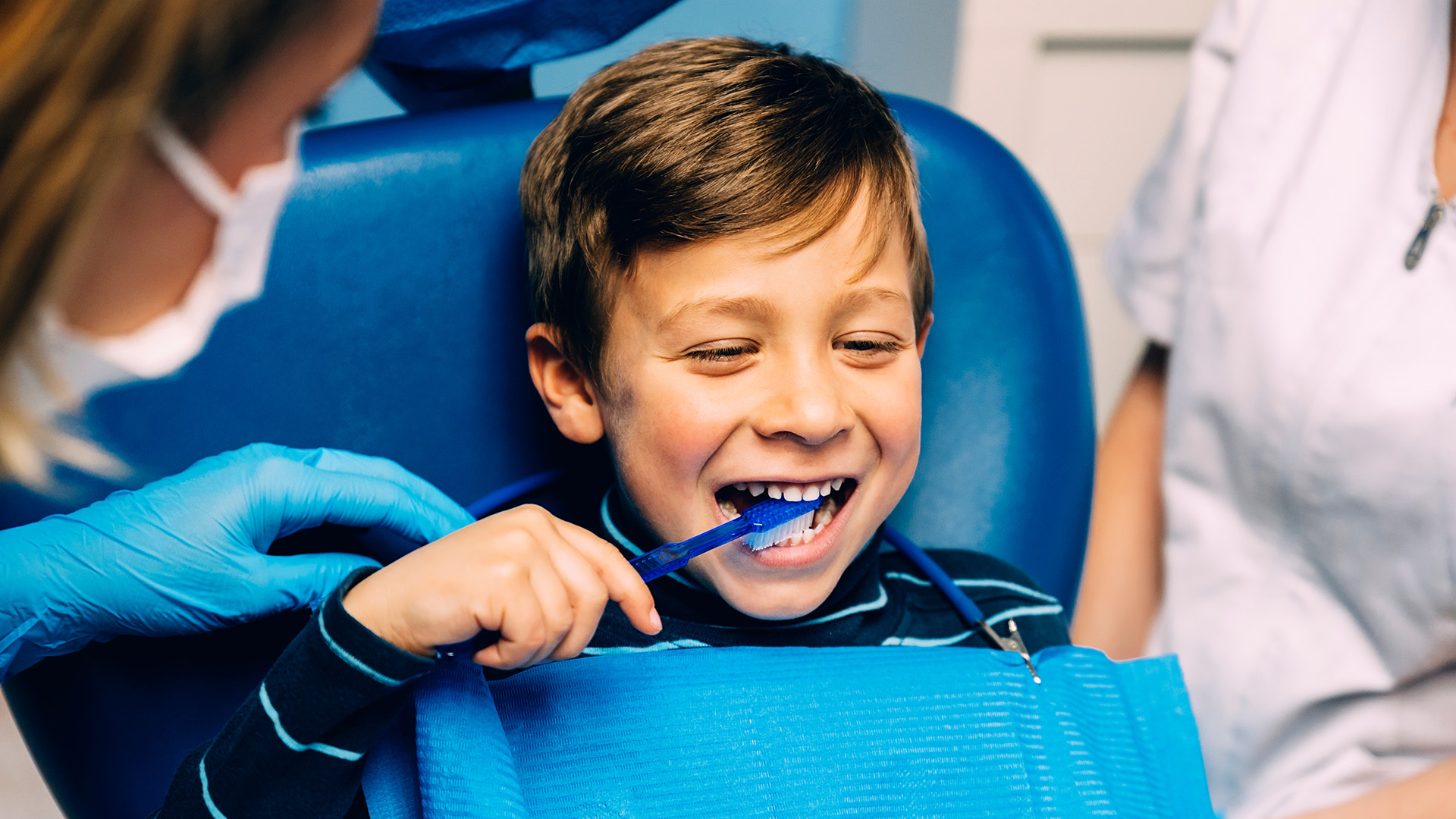
Dental anxiety is common in children, and with the right approach most kids can feel calm and confident at the dentist. This guide explains how dental anxiety shows up, why it happens, and practical strategies you can use at home and in the dental office to help your child feel at ease. With clear preparation, positive reinforcement, and a child-friendly dental environment, you can set the stage for stress-free dental care. If you’re seeking how to reduce dental anxiety in kids, the steps below offer simple, evidence-based ways to build confidence and comfort.
What Is Dental Anxiety?
Dental anxiety is a heightened sense of worry, nervousness, or fear related to dental visits and procedures. In children, it often appears before an appointment or during treatment and may be triggered by unfamiliar sounds, sights, or sensations. While some nervousness is normal, persistent or intense fear can interfere with routine care and overall oral health.
Common signs in children include excessive worry ahead of the visit, difficulty sleeping the night before, crying or clinginess in the waiting room, hesitation or refusal to sit in the chair, faster breathing or a racing heartbeat, and stomach aches or headaches without a medical cause. Some kids may become quiet or withdrawn instead of outwardly upset.
Dental anxiety differs from dental phobia primarily in severity. Anxiety can often be managed with reassurance, preparation, and coping tools. Dental phobia is a more intense, persistent fear that leads to avoidance of care and significant distress. Children with phobia may need specialized interventions, such as therapy or sedation options, to receive necessary treatment. Understanding these differences helps parents decide how to reduce dental anxiety in kids and when to seek additional support.
Understanding Why Kids Get Dental Anxiety
Fear of the unknown is one of the biggest drivers of dental anxiety. Dental offices introduce unfamiliar equipment, new people, and unusual sensations like vibration, tastes, and sounds. When kids are unsure what to expect, their brains interpret the situation as potentially unsafe, which increases stress. Clear, kid-friendly explanations and predictable routines can reduce this uncertainty.
Previous negative experiences can reinforce anxiety. Painful procedures, rushed appointments, difficulty with numbing, or even minor incidents like a loud noise or gagging during X-rays may leave lasting impressions. Gentle, positive visits help replace those memories and build trust.
Parental anxiety and cultural messages matter too. Children often mirror their caregivers’ emotions. If a parent shares fearful stories or looks visibly nervous, kids may adopt the same feelings. Media portrayals of dental care as scary can amplify this effect. Modeling calm, reassuring behavior and using neutral, supportive language can help your child view dental care as safe and beneficial.
Strategies to Help Your Child Overcome Dental Anxiety
Preparation and education are powerful tools. Talk through what will happen in simple, honest terms: who you will meet, what the room looks like, and what the dentist will do. Read age-appropriate books about dental visits, watch short videos from trusted dental sources, and role-play at home using a toothbrush and a toy as the patient. Let your child practice opening wide and counting teeth. Avoid using words that suggest pain or danger; instead, focus on gentle, helpful care. For families asking how to reduce dental anxiety in kids, starting with clear, supportive explanations is one of the most effective steps.
Create a calm, predictable experience. Schedule appointments at times when your child is well-rested and not hungry. Bring a comfort item like a stuffed animal or blanket. Keep a consistent routine by visiting the same office and, if possible, the same hygienist or dentist. Offer limited choices to give a sense of control, such as picking a toothbrush color or a small reward after the visit. Stay supportive without hovering, your steady tone and calm presence reinforce safety.
Introduce relaxation techniques and breathing exercises. Practice slow belly breaths together: inhale through the nose for a count of four, hold for two, and exhale through the mouth for a count of six. Try progressive muscle relaxation by squeezing hands into fists for five seconds and releasing. Use guided imagery, ask your child to imagine blowing bubbles, smelling a favorite flower, or floating on a cloud. These skills are simple and effective both in the waiting room and the chair.
- Practice visits at home: Sit in a pretend dental chair, count teeth, and shine the light using a flashlight.
- Create a simple countdown: Focus on small steps, arrive, check in, sit in the chair, open wide, celebrate each one.
- Use distraction: Music, a favorite story, or a video can help your child focus on something pleasant.
- Explain tell-show-do: Let your child know the team will explain, demonstrate gently, and then do the step.
- Keep language neutral: Say clean, check, and count, rather than words that imply pain.
The Power of Positive Reinforcement
Positive reinforcement helps kids associate dental care with confidence and success. Use specific praise for effort and cooperation, such as You sat so still while the dentist counted your teeth, rather than general compliments. Praise should be immediate and sincere, focusing on behaviors your child can repeat. Small rewards can reinforce progress without making the visit feel transactional.
Make dental care engaging. Create a sticker chart for brushing and flossing at home, let your child choose a toothbrush with a favorite character, or plan a simple post-appointment treat like a trip to the park. Set mini challenges, staying calm during X-rays, trying a new fluoride flavor, and celebrate achievements with a high-five or a certificate from the dentist.
Build a sense of achievement by setting attainable goals and tracking progress: on-time arrivals, sitting in the chair, completing a cleaning, or returning for regular checkups without tears. Highlight how these steps protect their smile and overall health. Over time, repeated success reduces fear and strengthens resilience. This is a cornerstone of how to reduce dental anxiety in kids because it turns each visit into a series of achievable wins.
| Goal | Example Praise | Reward Idea |
| Arrive calmly | You took great breaths in the car and walked in bravely. | Sticker for the chart |
| Sit in the chair | You climbed up and sat so steady while we talked. | Choose a toothbrush color |
| Open wide | You opened wide like a lion, awesome job! | Pick a song to play |
| Complete cleaning | You stayed focused while we cleaned your teeth. | Park visit or extra story time |
Choosing a Child-Friendly Dental Environment
Pediatric dentists and child-focused practices offer distinct benefits for anxious children. Pediatric teams are trained in child development, behavior guidance, and communication methods tailored to young patients. They use kid-sized tools, gentle language, and tell-show-do techniques to demystify each step. This specialized approach often creates faster rapport and smoother visits.
A welcoming atmosphere helps kids relax. Look for offices with bright, friendly decor, toys or books in the waiting area, and distractions like ceiling art, music, or videos during treatment. These elements normalize the experience and give children something positive to focus on. The more the environment is designed for kids, the easier it is for your child to feel at ease.
Assess a practice’s approach to anxiety by asking targeted questions:
- How do you prepare children for new procedures?
- Do you use tell-show-do demonstrations?
- What distraction or comfort options are available (music, TV, stress balls)?
- Can parents accompany their child when appropriate?
- Do you offer sensory-friendly accommodations, such as quieter rooms or dimmed lights?
- What are your options for managing anxiety during necessary treatments?
When to Seek Professional Help
Consider professional help when anxiety consistently prevents routine care, causes extreme distress, or leads to dental issues like cavities or gum disease due to missed appointments. If your child refuses visits despite preparation and supportive strategies, or if fear escalates over time, it may be time to involve specialists.
Evidence-based therapeutic options can make a significant difference. Cognitive behavioral therapy (CBT) helps children learn coping skills and gradually reduce fear through guided exposure and positive experiences. Some practices may recommend nitrous oxide (laughing gas) for mild to moderate anxiety, or sedation dentistry for specific procedures when appropriate and safe. Discuss these options with your child’s dentist, who can explain the risks, benefits, and alternatives.
Mental health professionals can support both children and parents. Pediatric therapists address underlying fears, help caregivers model calm behavior, and coordinate with dental teams to create a tailored plan. With a combined approach, home strategies, a child-friendly dental environment, and professional support, most children can overcome dental anxiety and establish lifelong healthy habits.
Practical Tips You Can Use Today
- Schedule a meet and greet visit to tour the office and say hello to the team without any treatment.
- Practice breathing exercises daily so your child can use them automatically during the appointment.
- Pack a small comfort kit with a favorite toy, headphones, and a stress ball.
- Preview the visit with a simple visual schedule: arrive, check in, sit, count teeth, finish.
- Keep messages consistent and positive: The dentist helps keep your teeth strong and healthy.
- Avoid surprises when possible; ask the office to explain each step ahead of time.
- After the visit, debrief briefly: What helped you most? Use that insight next time.
These tips offer families practical guidance on how to reduce dental anxiety in kids by building routine, predictability, and trust. Consistency across home and office settings makes each appointment feel more familiar and manageable.
Key Takeaways
Dental anxiety is common, but it’s manageable with preparation, positive reinforcement, and a supportive dental team. Explain what to expect in kid-friendly terms, build predictable routines, and teach simple relaxation skills. Choose a child-focused practice that uses gentle communication and offers comfort options. If anxiety significantly interferes with care, seek professional support such as CBT or, when appropriate, sedation options. With patience and consistent strategies, most children can build confidence at the dentist and develop habits that protect their oral health for life. For families exploring how to reduce dental anxiety in kids, a combined approach at home and in the dental office is the most reliable path to calm, successful visits.