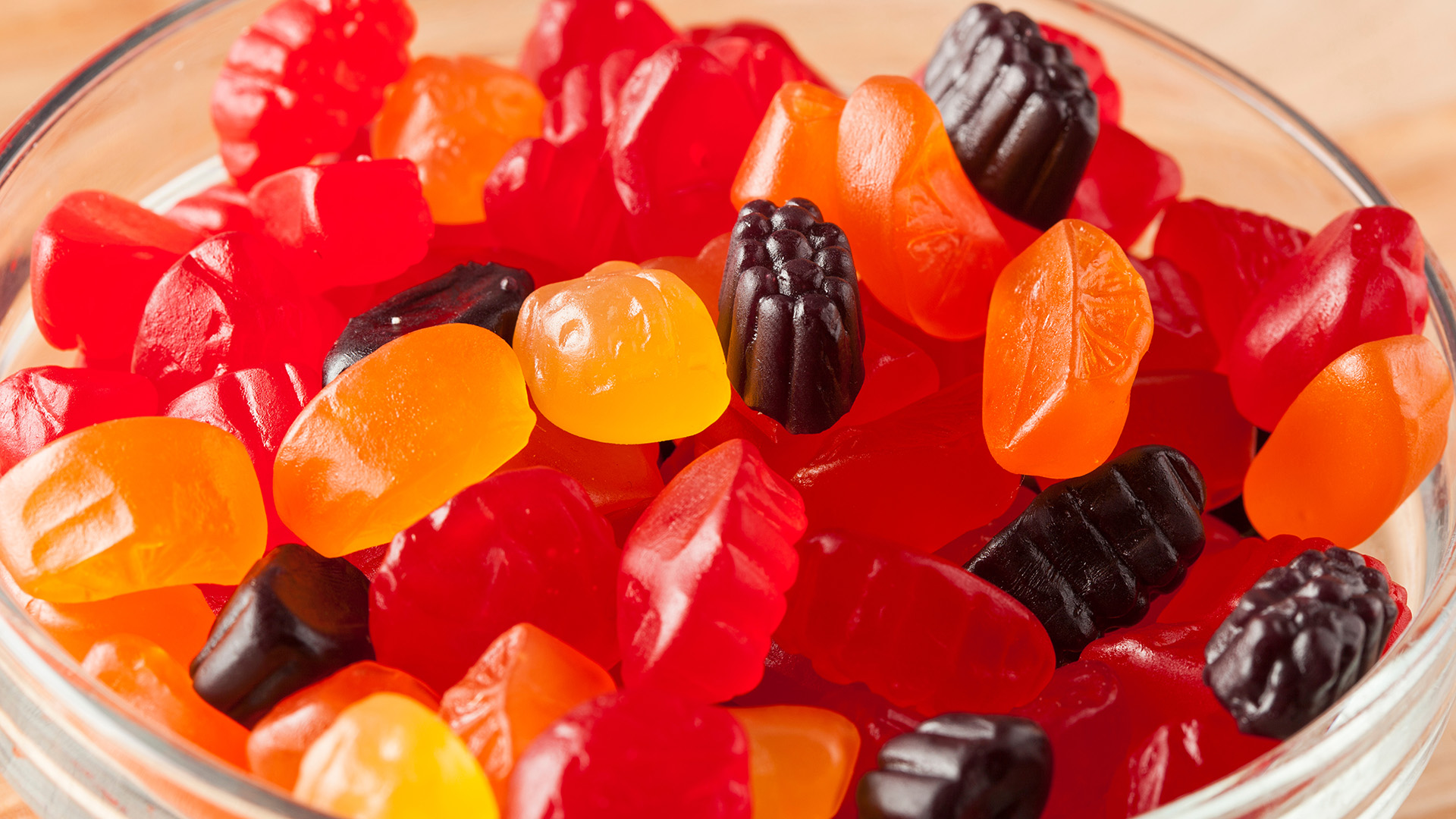
Snack time should nourish growing bodies, not feed cavities. Many popular kids snacks that cause cavities are high in sugar or refined starch and tend to stick to teeth, creating the perfect setting for tooth decay. Knowing what foods cause cavities, and how to swap them for tooth friendly snacks, can protect your child’s smile between dental visits. Below, you’ll learn why certain snacks are foods that cause cavities, which items to limit, early warning signs to watch for, and simple ways to make tooth-friendly choices.
Why Certain Snacks Cause Cavities in Children
Tooth decay begins when plaque bacteria feed on sugars and fermentable carbohydrates in foods and drinks. As bacteria digest these carbs, they produce acids that lower the mouth’s pH and pull minerals from the tooth’s enamel. Repeated acid attacks weaken enamel over time and can lead to cavities.
Texture plays a key role. Sticky, chewy, and starchy snacks cling to grooves and between teeth, keeping sugars in contact with enamel longer. Gummies, caramels, fruit snacks, and soft granola bars can adhere to teeth, making it harder for saliva to wash sugars away. Starchy foods like crackers and chips quickly break down into sugars and can pack into crevices, extending acid production. These patterns explain what foods cause cavities most often in kids.
How often kids snack matters as much as what they eat. Frequent grazing keeps the mouth in a near-constant acid state because pH does not have time to recover. Planned snack times with breaks in between allow saliva to neutralize acids and naturally replenish minerals, lowering the risk of decay. Building a routine around tooth friendly snacks helps limit exposure from foods that cause cavities.
Common Snack Offenders to Watch For
Some snacks and drinks are more likely to contribute to cavities due to their sugar content, stickiness, or acidity. Recognising kids’ snacks that cause cavities can help you plan better choices.
| Snack or Drink | Why It Raises Cavity Risk |
| Gummies, caramels, fruit snacks | Sticky texture clings to teeth, prolonging sugar exposure |
| Lollipops, hard candies | Dissolve slowly, bathing teeth in sugar for extended periods |
| Sour candies | High in sugar and acids that directly erode enamel |
| Granola bars, sweet pastries | Often concentrated sugars and syrups; tend to stick in grooves |
| Dried fruit, fruit leather, raisins | Concentrated natural sugars and very adhesive |
| Juice boxes, sports drinks, soda | High sugar and acidity; sipping restarts the acid cycle |
| Sweetened milk and flavored drinks | Added sugars increase bacterial activity and acid production |
| Crackers, chips, pretzels | Refined starches break down into sugars and lodge between teeth |
Even 100% fruit juice contains natural sugars and can contribute to decay if consumed frequently, especially when sipped over long periods or used in bottles and sippy cups. When in doubt about what foods cause cavities, check labels for added sugars and consider texture and stickiness.
Signs of Early Tooth Decay and When to See a Dental Professional
Early decay may look like chalky white spots near the gumline or on the chewing surfaces of molars, areas where minerals have begun to dissolve. Brown or dark spots, sensitivity to cold or sweets, pain when chewing, and persistent bad breath can also signal cavities. Do not wait for pain; by the time a tooth hurts, decay may be more advanced.
- Lift the lip weekly to check front teeth for color changes or white lines.
- Watch for sensitivity to cold, sweet foods, or pressure while chewing.
- Look for plaque buildup along the gumline and in the grooves of molars.
Schedule an exam if you notice white or brown spots, ongoing sensitivity, tooth pain, swollen gums, or if your child frequently snacks and sips sweet drinks. Regular dental visits allow early detection, preventive treatments, and personalized guidance tailored to your child’s habits.
Practical, Tooth-Friendly Snack Swaps and Prevention Tips
Choose tooth friendly snacks that support a healthy mouth and reduce cavity risk. Aim for low-sugar, low-starch options that do not cling to teeth. These swaps help replace kids snacks that cause cavities with better alternatives.
- Dairy: Cheese, plain yogurt, and milk provide calcium and phosphates that help remineralize enamel.
- Crunchy produce: Carrots, celery, cucumbers, and apples stimulate saliva and help clean tooth surfaces.
- Proteins and healthy fats: Nuts and seeds (age-appropriate and mindful of allergies), hard-boiled eggs, and hummus with veggies are satisfying and low in sugars.
- Fresh fruit: Opt for whole fruit over dried fruit. Pair fruit with cheese or nut butter to buffer sugar impact.
- Whole grains: Choose minimally sweetened, high-fiber options that are less sticky.
Simple daily habits make a big difference:
- Serve snacks at set times rather than allowing all-day grazing.
- Offer water with and after snacks to rinse away food particles and dilute acids.
- Limit sugary and starchy snacks to occasional treats, and avoid sipping sweet drinks over long periods.
- Consider sugar-free gum with xylitol for children old enough to chew safely; it boosts saliva and helps neutralize acids.
- Brush with a fluoride toothpaste twice daily and floss once a day, especially around back molars.
Professional prevention complements home care. Fluoride treatments strengthen enamel, protective dental sealants on molars block food and bacteria from settling into deep grooves, and routine checkups help spot early changes. Guidance on what foods cause cavities versus tooth friendly snacks can also help your family build a realistic plan that fits your routine.
If you have questions about kids snacks that cause cavities or notice early signs of decay, schedule a visit with a dental professional. With awareness of foods that cause cavities and a focus on tooth friendly snacks, you can protect your child’s smile with smart snack choices and proven preventive care.