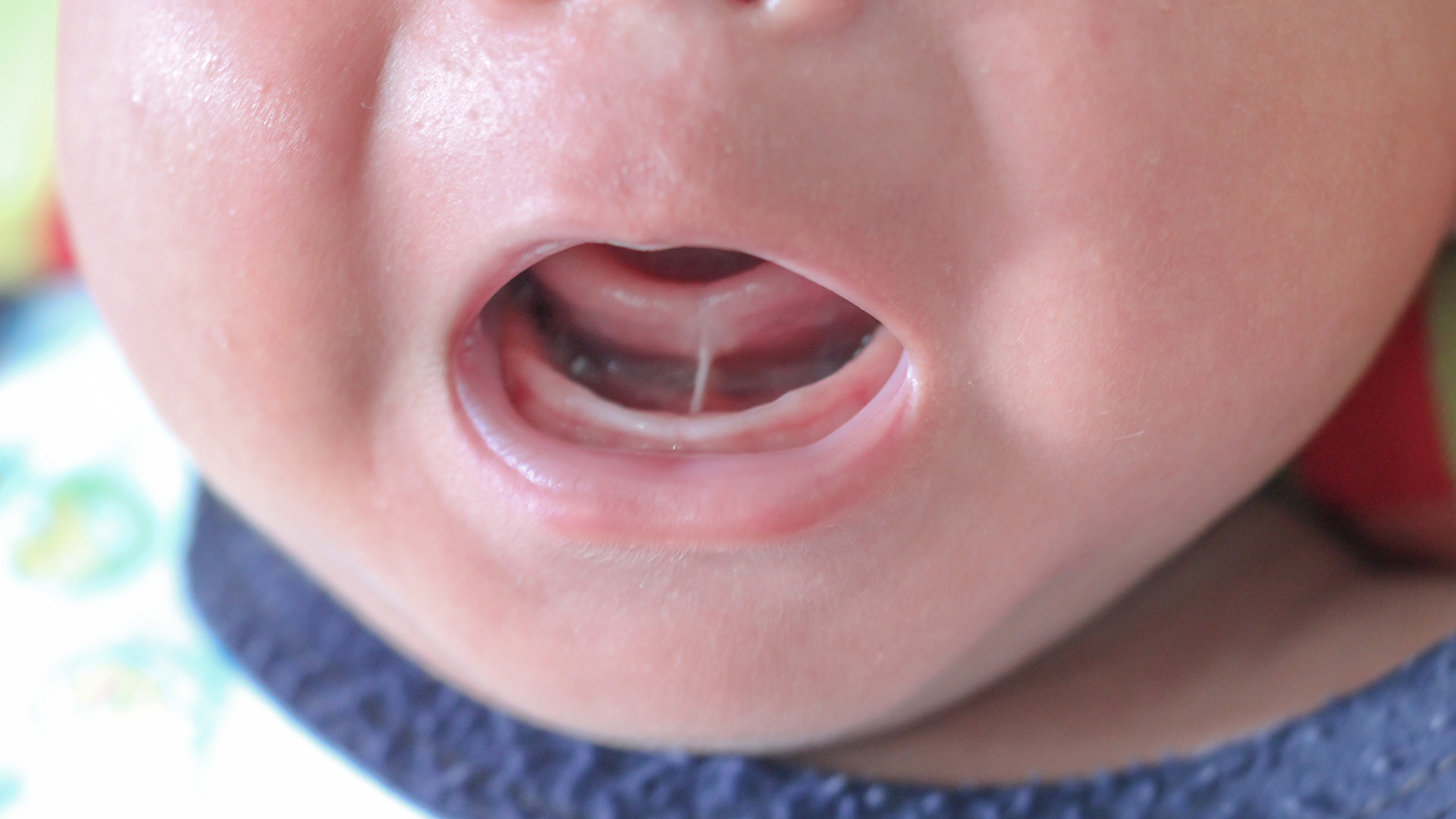
Tongue ties and lip ties are common oral conditions that can influence feeding, speech, and overall oral function from infancy through childhood. This guide explains what they are, how to spot the signs, when to seek an evaluation, and what treatment and support options are available. Care teams often collaborate with pediatricians, lactation consultants, and speech-language pathologists to help families find the right path forward.
What Are Tongue Ties and Lip Ties?
A tongue tie, or ankyloglossia, occurs when the lingual frenulum, the thin band of tissue under the tongue, is unusually short, thick, or tight, limiting tongue movement. A lip tie involves the labial frenulum, the tissue connecting the upper lip to the gum, which may restrict the lip’s ability to move freely. These ties vary in severity and are described by both their appearance and their functional impact.
The tongue’s mobility supports latching, swallowing, chewing, speech articulation, and oral hygiene. When the frenulum restricts elevation or forward motion, breastfeeding and clear speech can be affected. A restrictive upper lip frenulum can prevent the lip from flanging outward during feeding and may contribute to a shallow latch or gumline irritation. Tongue ties and lip ties can exist independently or together, and each may affect function in different ways.
Prevalence estimates suggest tongue ties occur in roughly 4–10% of newborns. Lip ties are less precisely measured but are commonly observed alongside tongue ties. Ties can occur in any demographic and may run in families, indicating a genetic component.
Signs and Symptoms
Infants and young children may show:
- Difficulty latching or staying latched
- Prolonged or very frequent feeds
- Clicking sounds during feeding and milk dribbling
- Poor weight gain, gassiness, or reflux-like symptoms
- Maternal nipple pain, blanching, or damage when breastfeeding
- An upper lip that does not flange outward or a visible tight band at the gumline
With breastfeeding, restrictive ties can cause a shallow latch and inefficient milk transfer. Babies may tire quickly, fall asleep at the breast, or remain fussy and unsatisfied after feeds. Bottle-fed infants can also show leaking around the nipple and excessive air intake.
Over time, untreated ties may contribute to difficulty with sounds that require tongue elevation (such as “t,” “d,” “l,” “n,” and “r”), picky eating or delayed texture advancement, mouth breathing, and challenges maintaining oral hygiene due to limited tongue mobility for self-cleaning. Some children develop compensations that affect jaw growth or contribute to spacing (diastema) between the upper front teeth, particularly with a prominent lip tie. These patterns can occur with tongue ties and lip ties, depending on severity and function.
How Ties Are Diagnosed
A thorough evaluation considers both appearance and function. Professionals who assess ties include pediatricians, pediatric dentists, orthodontists, ENTs (otolaryngologists), lactation consultants, and speech-language pathologists. They examine tongue and lip range of motion, latch mechanics, swallowing patterns, and oral structures, often using functional scoring tools to guide decisions.
Parents can observe whether a baby can lift the tongue to the palate, extend past the lower gumline, or maintain a painless, efficient latch. Look for a pronounced band under the tongue or a tight upper lip frenulum that blanches when the lip is lifted. While helpful, these observations do not replace a professional assessment, which determines whether the tie is functionally restrictive.
Imaging is rarely required. Most diagnoses are made clinically through visual and functional examination. In select cases, clinicians may use intraoral photography or video feeding assessments to document movement and support treatment planning. Collaboration with feeding specialists is especially valuable for borderline or complex cases of tongue ties and lip ties.
Treatment Options
Treatment depends on symptoms and functional impact. Many infants and children benefit from conservative measures such as lactation support, feeding therapy, and myofunctional or speech therapy. When restriction clearly interferes with feeding, speech, or oral health, a frenectomy, releasing the tight frenulum, may be recommended.
Frenectomies can be performed with sterile scissors or a dental laser. Both methods aim to safely free the restricted tissue, increase mobility, and improve function. Laser techniques may reduce bleeding and swelling, while scissor releases are also effective when performed by experienced providers. The procedure is typically brief, and infants often feed immediately afterward.
Post-treatment care prioritizes comfort, healing, and maintaining range of motion. Your care team may recommend gentle stretches, wound care instructions, appropriate pain management, and follow-up visits. Coordinated therapy, lactation support for infants, feeding therapy, and speech or myofunctional exercises for older children, helps retrain movement patterns and optimize long-term outcomes. This approach applies whether addressing tongue ties and lip ties separately or together.
Not every tie requires release. Some families achieve success with targeted therapy and positioning strategies. Your provider will review goals, risks, benefits, and timing to help you make an informed decision tailored to your child’s needs.
When to Seek an Evaluation
- Feeding is painful, inefficient, or prolonged
- Your baby struggles to gain weight or frequently dribbles milk
- Clicking, sputtering, or significant leaking occurs during feeds
- Speech concerns emerge as your child grows
- You notice a tight band of tissue under the tongue or at the upper gumline
If you’re unsure, an assessment can clarify whether a tie is present and whether it is affecting function. Early support often improves outcomes and reduces stress for families. When in doubt, ask a qualified clinician familiar with tongue ties and lip ties to perform a functional exam.
How a Team-Based Approach Can Help
A coordinated care plan ensures that structural restrictions and functional habits are addressed together. Collaboration among pediatricians, lactation consultants, ENTs, dentists, orthodontists, and speech-language pathologists provides continuity from assessment through follow-up. Whether conservative therapy, a frenectomy, or a combination of strategies is appropriate, a team-based approach helps support comfortable feeding, confident speech, and healthy oral development for children affected by tongue ties and lip ties.