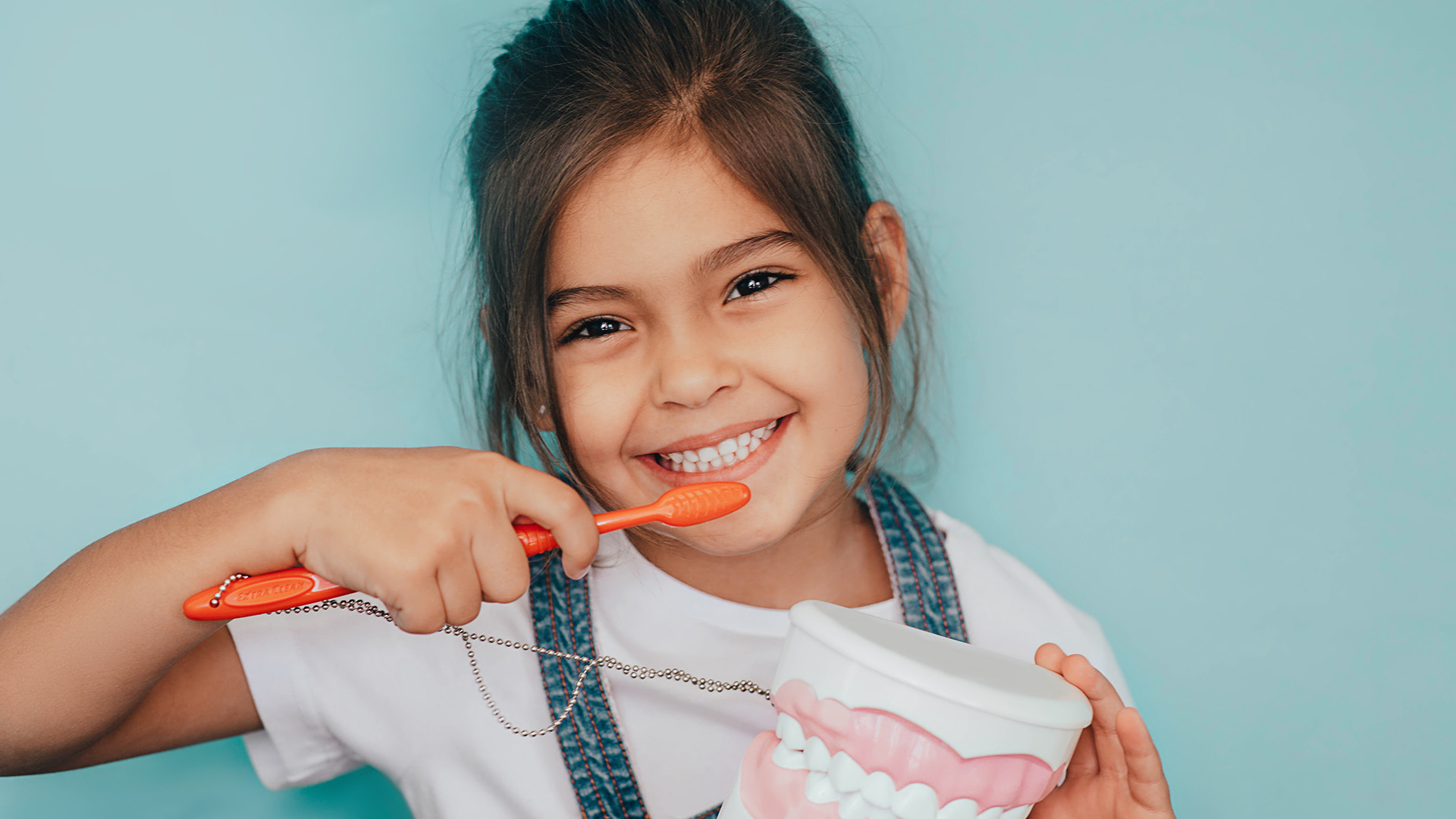
Healthy smiles begin in early childhood. The routines your child practices in the first years of life influence their dental health well into adulthood. With consistent home care, tooth-smart nutrition, and regular professional visits, you can reduce cavity risk, guide proper jaw growth, and build confidence at the dentist.
Why Early Oral Health Matters
Baby teeth do more than hold space. They help permanent teeth erupt into the right positions, support clear speech, and make chewing nutritious foods easier. When baby teeth are lost early due to decay, it can lead to crowding, bite issues, and speech challenges.
Oral health connects to overall well-being. Untreated tooth decay can cause pain, missed school, sleep problems, and difficulty concentrating. Strong oral health contributes to confident smiles, positive social interactions, and consistent eating patterns that fuel healthy growth.
Common early concerns include early childhood caries (baby bottle decay), enamel defects, persistent thumb or pacifier habits past age three, and gum inflammation from plaque. Prevention is essential because decay can progress quickly in baby teeth, and early intervention is typically simpler, more comfortable, and less costly than treating advanced disease.
Daily Oral Hygiene Routines That Work
Infants: Gently wipe gums with a clean, damp cloth after the last feeding and before naps. When the first tooth erupts, brush twice daily with a soft-bristled infant toothbrush and a smear (rice-sized amount) of fluoride toothpaste.
Toddlers (ages 2–3): Brush morning and night with a pea-sized amount of fluoride toothpaste. Begin flossing once any two teeth touch. Parents should do the brushing while children learn proper technique.
School-age (ages 4–8): Supervise brushing for two minutes twice daily and continue daily flossing. Most children need help or close oversight until at least age 8 to 10 to ensure every tooth surface gets clean.
Choose the right tools: Use a soft-bristle, age-appropriate brush head. Small, round-headed electric brushes can improve thoroughness when used correctly. Always use fluoride toothpaste, which strengthens enamel and lowers cavity risk. Replace brushes every three months or sooner if bristles are frayed.
Fluoride guidance: Under age 3, use a smear of fluoride toothpaste; from age 3 and up, use a pea-sized amount. If your tap water is not fluoridated, ask your dentist or pediatrician about supplements or professional fluoride treatments.
Make consistency easy: Tie brushing to existing routines like after breakfast and before bed. Use a two-minute timer or favorite song. Brush alongside your child to model technique. Position younger children so you can see all teeth, having them lie back with their head in your lap improves visibility. Finish with a quick parental check and polish to catch missed spots.
Nutrition and Habits That Protect Young Teeth
Tooth-friendly choices: Offer water (preferably fluoridated tap water), milk with meals, lean proteins, cheese, yogurt, nuts, eggs, and high-fiber fruits and vegetables. Cheese and yogurt provide calcium and phosphates that remineralize enamel. Crunchy produce like apples and carrots can help disrupt plaque between brushings.
Limit cavity culprits: Sugary drinks (including juice and sports drinks), sticky candies, gummies, dried fruit, and frequent starchy snacks like crackers raise decay risk, especially when grazed on throughout the day. If serving juice, keep portions small, serve with meals, and follow with water.
Smart snacking: Offer snacks at set times and pair with water. Combine carbohydrates with protein or dairy to reduce acid attacks, for example, apple slices with peanut butter or cheese. It’s better to enjoy sweets in one sitting than to nibble for hours.
Bottles, breastfeeding at night, and sippy cups: Prolonged exposure to milk, formula, or sweetened liquids overnight bathes teeth in sugars. Aim to wean nighttime bottles by 12 to 18 months and transition from sippy cups to open or straw cups around age 2. If your child needs a bedtime drink, choose water only. For breastfeeding families, gently clean teeth and gums after the last feed and keep twice-daily brushing in place.
Make Dental Care Positive and Fun
Motivate without pressure: Turn brushing into a game with a two-minute song, a brushing app, or a sticker chart that leads to a small, non-food reward like picking a bedtime story. Let your child choose a toothbrush color or kid-friendly toothpaste flavor to increase engagement.
Prepare for visits: Read storybooks about the dentist and role-play at home. Practice opening wide, counting teeth, and using a mirror. Keep explanations simple and upbeat: “The dentist will count your teeth, clean them, and make them shiny.” Avoid words like “hurt” or “shot.”
Ease anxiety: Bring a favorite comfort item, schedule morning appointments when your child is well-rested, and keep visits brief and positive. Praise specific behaviors in the moment, such as, “You held so still while the dentist counted, great job!” If anxiety is high, ask about tell-show-do techniques, gradual desensitization visits, or nitrous oxide when appropriate.
Preventive Care and When to See the Dental Team
First dental visit: Schedule your child’s first dental visit by their first birthday or within six months of the first tooth erupting. Early visits allow identification of concerns, personalized guidance, and familiarity with the dental environment.
Routine schedule: Most children benefit from checkups and cleanings every six months. Your dentist may adjust the frequency based on cavity risk, hygiene habits, and enamel strength.
Preventive services: Professional cleanings remove plaque and tartar that brushing can miss. Topical fluoride strengthens enamel and reduces decay risk. Dental sealants applied to the chewing surfaces of permanent molars significantly lower cavity rates; these are typically placed soon after molars erupt, around ages 6 and 12.
Growth and bite monitoring: Your dentist and orthodontist track jaw development, tooth eruption, and bite alignment. Early recognition of crowding, crossbites, overbites, or habits like thumb sucking enables timely guidance or interceptive treatment that can simplify care later.
When to seek an early orthodontic evaluation: The American Association of Orthodontists recommends an orthodontic evaluation by age 7. Signs that warrant prompt attention include early or late loss of baby teeth, difficulty chewing, mouth breathing, crossbite, protruding teeth, crowding, or jaw shifting when biting. If your child snores, grinds teeth, or shows daytime sleepiness, discuss this with your dental team; airway and sleep concerns may relate to oral development.
Building Habits That Last Into Adolescence and Beyond
Hand off responsibility gradually: As skills improve, move from parent-led brushing to supervised independence. Let your child brush first, then you follow up. By ages 8 to 10, many children can manage well, but occasional spot checks and encouragement help keep standards high.
Protect smiles during sports: A custom-fitted mouthguard can prevent dental injuries in contact and many non-contact sports. Ask about mouthguards at your dental or orthodontic visit, especially if your child has braces or newly erupting permanent teeth.
Sleep and lifestyle: Adequate sleep supports immunity and healthy saliva flow, both of which protect against cavities. Limit late-night snacking and encourage water instead of sugary drinks. Teens should avoid vaping, smoking, and frequent energy drinks due to risks to oral and overall health.
Keep routines through busy schedules: Pack a simple travel kit with a toothbrush, fluoride toothpaste, flossers, and a small mouthwash. Use phone reminders, anchor brushing to morning and bedtime routines, and keep water available in reusable bottles. For kids in braces, include interdental brushes and orthodontic wax for comfort on the go.
Simple Steps Checklist for Parents
- Brush twice daily with fluoride toothpaste: smear for under 3; pea-sized from 3 and up.
- Floss daily once teeth touch.
- Offer fluoridated water; limit sugary drinks and grazing.
- Reserve juice for meals, small portions, and follow with water.
- Wean nighttime bottles by 12–18 months; choose water at bedtime.
- Schedule first dental visit by age 1; keep six-month checkups.
- Ask about fluoride treatments and dental sealants.
- Plan an orthodontic evaluation by age 7.
- Use a mouthguard for sports, especially with braces.
- Maintain consistent sleep and avoid vaping, smoking, and energy drinks in the teen years.
How Orthodontic Care Supports Your Child’s Smile
A supportive dental team partners with families to make oral health clear, comfortable, and achievable. They monitor growth and bite alignment, provide early guidance on habits, and offer interceptive orthodontic treatments when helpful. If your child is nervous about dental care, gentle, child-friendly approaches help build trust and confidence.
Whether you’re seeking an age 7 orthodontic evaluation, have questions about crowding or bite concerns, or need advice on mouthguards and braces care, a consultation can clarify next steps. Ensuring that daily routines, nutrition, and professional care work together to support lifelong oral wellness.