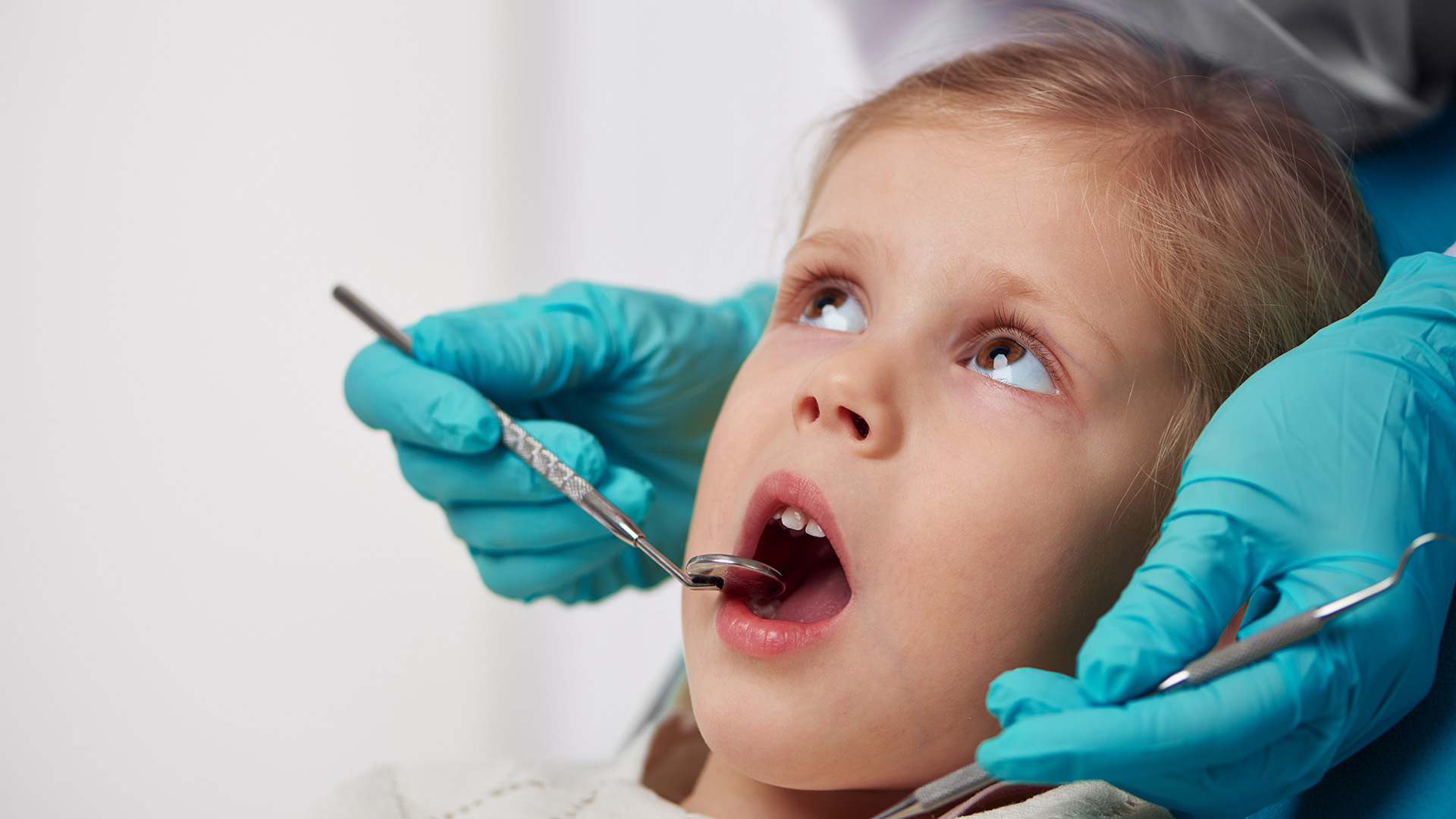
Baby teeth do more than fill a smile. When one breaks, it can be difficult to know if urgent care is needed or if it can wait for a routine visit. This guide explains how to recognize emergency signs, what to do right away, and what treatment to expect so you can protect your child’s comfort and long-term oral health. Understanding when a broken baby tooth is an emergency helps you act quickly and appropriately for injured teeth.
Why Baby Teeth Matter
Baby teeth help children chew comfortably, speak clearly, and feel confident. Just as importantly, they act as placeholders that guide permanent teeth into the correct positions. If a baby tooth is damaged or lost too early, nearby teeth can drift, leading to crowding or bite problems that affect the adult teeth.
Leaving a broken baby tooth untreated can allow bacteria to enter the tooth or gums, causing infection, pain, and swelling. Infections in baby teeth can affect the developing permanent tooth underneath, sometimes resulting in enamel defects or discoloration later on.
Damage is more concerning when it reaches the nerve (pulp), when the tooth is pushed into the gum, or when the bite is affected. These situations can influence how the jaws grow and how the adult teeth erupt, which is why timely evaluation is important, especially to determine when a broken baby tooth is an emergency and how to best manage injured teeth.
Signs That a Broken Baby Tooth Is an Emergency
Seek urgent dental care or go to an urgent care facility if you notice any of the following:
- Severe pain that does not improve with cold compresses or over-the-counter pain relief
- Bleeding that does not slow after 10 minutes of gentle pressure with clean gauze
- Swelling of the lips, gums, or face, which may indicate infection or soft-tissue injury
Other red flags include a large fracture that exposes a pink or red area (the nerve), a tooth that feels very loose or unstable, or a tooth that looks pushed into the gum or shifted to the side. These injuries can threaten the permanent tooth bud and should be evaluated promptly. If your child says their tooth broke during a fall or collision and the bite feels off, treat the situation as urgent.
Call emergency services if your child has fever with facial swelling, difficulty breathing or swallowing, or signs of head trauma. These symptoms require immediate medical attention, particularly when multiple injured teeth are involved.
Immediate First Aid Steps to Take at Home
Start by staying calm and checking for other injuries. If there is bleeding, have your child gently bite on clean gauze or a soft cloth for 10 minutes. Apply a cold compress to the cheek or lip to reduce pain and swelling. Rinse the mouth carefully with lukewarm water to clear debris, avoiding vigorous swishing.
Offer soft, cool foods and avoid hot, crunchy, or acidic items that can irritate the area. Encourage your child not to chew on the injured side. Do not place aspirin on the gums. If needed, give an age-appropriate dose of acetaminophen or ibuprofen, following label directions or your pediatrician’s guidance.
If a baby tooth is chipped or partially fractured, save any fragments in a clean container in case the dentist can use them for bonding. If the tooth is displaced or very loose, do not try to move it back or splint it yourself. If a baby tooth is completely knocked out, do not attempt to re-implant it, as this can harm the developing permanent tooth. Instead, contact a pediatric dentist immediately for instructions. If your child says a tooth broke and you see a red or pink spot at the center, cover it with a clean, moist gauze and seek same-day care.
Go to urgent care or the emergency department for uncontrolled bleeding, a suspected broken jaw, cuts that may need stitches, or signs of infection. For pain without severe symptoms, arrange a same-day or next-business-day dental appointment so a clinician can assess injured teeth and protect the permanent tooth underneath.
What to Expect at the Dental Visit
The dentist will perform a gentle exam to assess the tooth, gums, and bite. X-rays are often recommended to determine the depth of the fracture, the health of the nerve, and any effect on the underlying permanent tooth. The dentist will also check for soft-tissue injuries, embedded fragments, and signs of infection.
Treatment depends on the extent and location of the break:
- Minor chips may be smoothed or repaired with bonding to restore shape and protect sharp edges.
- Moderate fractures may be restored with tooth-colored material or a protective covering to reduce sensitivity.
- If the nerve is exposed or the tooth cannot be restored, pulpal therapy or extraction may be recommended to prevent infection and safeguard the developing adult tooth.
Antibiotics may be prescribed if there is evidence of infection, deep soft-tissue injury, or if the tooth was pushed into the gum. For complex injuries, significant displacement, or concerns about the permanent tooth bud, your child may be referred to a pediatric dentist, oral surgeon, or an endodontist. This evaluation helps confirm when a broken baby tooth is an emergency versus a situation that can wait.
Emergency vs. Urgent vs. Can Wait
| Situation | Examples | Recommended Action |
| Emergency (same-day medical/dental care) | Uncontrolled bleeding, severe pain, facial swelling with fever, breathing or swallowing difficulty, tooth pushed into the gum, displaced tooth | Call emergency services or go to the emergency department/urgent care immediately; contact a pediatric dentist |
| Urgent (same-day or next-day dental care) | Large chip with sensitivity, visible pink/red area, loose tooth after trauma, soft-tissue cuts, multiple injured teeth from a fall | Call a pediatric dentist for prompt evaluation and treatment |
| Non-urgent (monitor and schedule) | Small chip without pain, no sharp edges, normal bite | Schedule a dental visit soon; use soft foods and careful brushing |
Prevention, Follow-Up Care, and When to Call
Many dental injuries can be prevented with a few simple steps. Use a properly fitted mouthguard during sports and active play. Childproof sharp edges and slippery surfaces at home, and supervise high-energy activities for toddlers and preschoolers. Encourage helmet use during biking and skating to reduce the risk of facial trauma.
After treatment, follow-up visits help monitor healing and the health of the underlying permanent tooth. Common check-in points include 1–2 weeks, 6–8 weeks, and 6–12 months, depending on the injury. Call sooner if you notice increasing pain, swelling, fever, a pimple-like bump on the gum, bad taste, persistent bleeding, tooth discoloration turning gray or dark, or changes in how the teeth fit together. If your child’s tooth broke again after initial treatment, or if new injured teeth appear sensitive or loose, contact a dentist promptly.
Support healing at home with gentle daily care. Brush carefully with a soft toothbrush, avoid biting hard foods on the injured side, and follow any dietary or activity restrictions recommended by your dentist. If you are unsure whether a broken baby tooth is an emergency, call your pediatric dentist for guidance. It is always better to check early to protect your child’s comfort and the healthy eruption of their permanent teeth, especially when multiple injured teeth are involved or a tooth broke with visible nerve exposure.